
Inside the Modern iGaming World: Slots, Poker and Smarter Bets
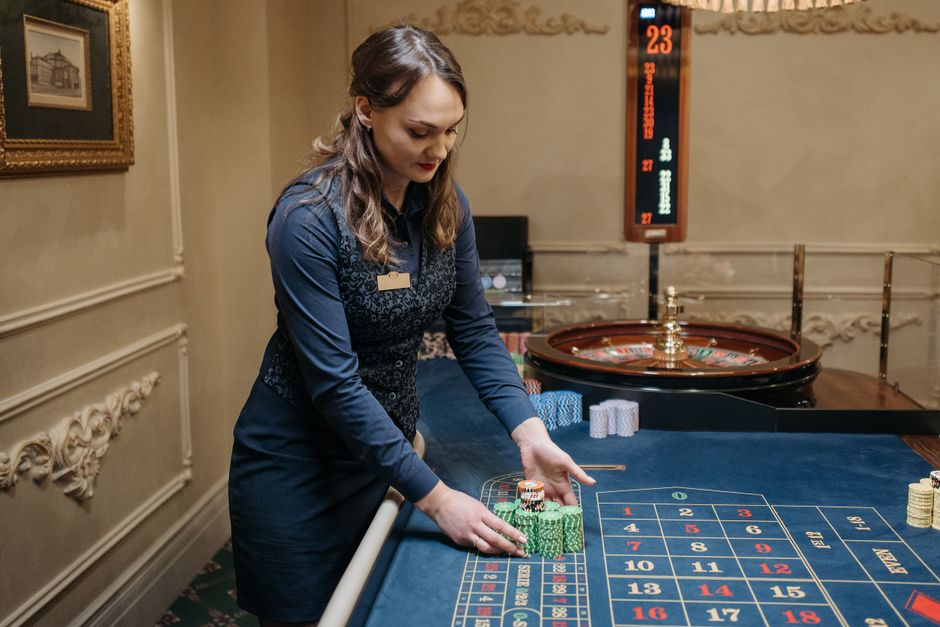
Ten years ago, if you told a poker player they'd be bluffing against someone wearing pyjamas on the other side of the planet while a slot machine spun on a second browser tab, they'd have laughed. Today that's just a Tuesday night. The iGaming industry has quietly grown into a nearly $100 billion global machine, and it's changing faster than most players realise. Whether you're chasing a royal flush, hunting a jackpot on a Megaways slot, or just trying to understand why your accumulator keeps dying in the 89th minute, the landscape has shifted in ways worth understanding.
This isn't a pitch for any particular site. It's a look at how the pieces actually fit together, what separates a smart player from a lucky one, and where the smart money is heading next.
Why iGaming Isn't Just “Online Gambling” Anymore
The term iGaming covers a lot of ground. It spans casino games, sports betting, poker, live dealer tables, eSports, and increasingly, skill-based and social formats. What ties it together is the technology layer underneath: real-time servers, RNG-certified randomness, geolocation checks, and payment rails that move money in seconds instead of days.
The scale is staggering. Online slots alone account for the largest slice of casino revenue in most regulated markets, often 60 to 70 percent of gross gaming revenue (GGR) for operators. Poker, by contrast, is a smaller but far more interesting beast. It's not a house game, it's a player-versus-player ecosystem. The house takes a rake, typically 5 percent capped at a few dollars in cash games, and the rest is pure skill and variance. That difference shapes everything about how you should approach each format.
- Slots are pure chance with a fixed return-to-player (RTP), usually between 94% and 97%.
- Table games like blackjack and baccarat have house edges under 2% with basic strategy.
- Poker has no fixed RTP, it depends entirely on who's sitting at your table.
- Sports betting margins typically sit between 4% and 8%, depending on the market.
If you take one thing from this article, make it that list. The game you choose matters more than the strategy you apply to it.
Slots: Volatility Is the Real Story
Most slot players obsess over RTP. That's a mistake, or at least an incomplete picture. RTP tells you what a machine pays back over millions of spins. It says nothing about how those spins behave in the 200 you'll actually play tonight.
Volatility is what you feel. Low-volatility slots like Starburst or many classic 3-reel games pay small and often. High-volatility monsters like Book of Ra Deluxe or anything in the Money Train series will drain your balance for 300 spins, then hand you a 2,000x win in one bonus round. Neither is better. They just suit different bankrolls and temperaments.
A practical rule: divide your session bankroll by at least 200 for high-volatility slots, 100 for medium, and 50 for low. If you sit down with $50 and spin a 10-cent high-volatility slot, you're not playing, you're gambling on whether the bonus hits in the first minute.
The Megaways and Bonus Buy Question
Megaways mechanics, popularised by Big Time Gaming, changed slot design by varying the number of symbols per reel on every spin, giving up to 117,649 ways to win. It's clever, but more ways to win doesn't mean better odds. It means more frequent small hits and a slightly stretched-out chase for the big one.
Bonus buy features let you pay 50x to 200x your stake to trigger free spins instantly. They're convenient but usually carry a slightly lower RTP than the natural trigger, often around 96% versus 96.5%. Over time, that gap matters. Only buy bonuses if you've already accepted the variance.
Poker: Where the Real Edge Lives
Poker is the only mainstream iGaming format where a skilled player can sustainably win. That's exactly why it's harder than it looks. The fish get eaten, the regs get smarter, and the ecosystem needs a constant supply of new, recreational players to stay healthy.
If you're serious about poker, the fundamentals haven't changed much since Doyle Brunson's era, but the execution has. Modern online poker at stakes above micro-limits is dominated by solvers, GTO-based play, and HUD stats. You don't have to become a solver wizard, but you do need to understand: See keonhacaii5.com.co for a side-by-side comparison.
- Position is the single strongest edge in no-limit hold'em. Play tight early, loosen up on the button.
- Bankroll management. Never buy into a cash game with more than 5% of your dedicated bankroll, or a tournament with more than 2%.
- Opponent reading. Stats like VPIP and PFR tell you more than any physical tell ever will online.
- Emotional control. Tilt is the most expensive leak in the game, and the most common.
One concrete tip: if you're playing $0.10/$0.25 no-limit, you need at least $500 dedicated to poker and no expectation of withdrawing it. If that sounds steep, drop to $0.02/$0.05 and build from $100. The math doesn't care about your ego.
Sports Betting: Discipline Beats Prediction
Everyone thinks betting is about picking winners. It isn't. It's about finding prices that are wrong. A 60% win rate at terrible odds loses money; a 52% win rate at good odds prints it.
If you're building accumulators with seven legs at 500/1, you're buying lottery tickets, not betting. Sharp bettors tend to focus on:
- Single markets with tight margins, like Asian handicaps or over/under goals.
- Closing line value, did your price beat the final market price?
- Staking flat 1-2% of bankroll per bet, regardless of confidence.
Track every bet in a spreadsheet. Profit, stake, odds, market. After 500 bets you'll know whether you have an edge or just a hobby. Most people discover the latter, and that's fine, as long as they know.
Regulation, Bonuses, and the Small Print That Bites
Licensed markets have tightened dramatically. The UK, Sweden, Malta, and several US states now enforce strict advertising, affordability checks, and bonus rules. Welcome offers that once came with 40x wagering now often cap at 10x or are banned entirely on certain products.
Before claiming any bonus, check three things:
- The wagering requirement and what counts toward it. Slots usually contribute 100%, table games often 10% or less.
- The maximum bet allowed while clearing the bonus. Breach it and you forfeit everything.
- The time limit. A 7-day expiry on a 40x bonus is effectively a no-bonus for most players.
Cashback and reload offers are often more valuable than headline welcome packages, especially for regular players. A 10% weekly cashback with no wagering is worth more than a $500 match bonus you'll never clear.
The Bottom Line
iGaming rewards players who treat it like a system rather than a thrill. Pick games with edges you understand, bankroll like a professional even if you're playing for fun, and treat bonuses as math problems, not gifts. The industry will keep evolving, faster live dealers, smarter slots, AI-driven bet builders, but the underlying truth won't change: the house always has its edge, and the only players who beat it are the ones who know exactly where it starts and ends. Play curious, play disciplined, and never play with money you'd miss.


Older properties require careful survey work, sympathetic materials, and expert advice before you begin knocking down walls or altering original layouts.
Ferns, hostas, and foxgloves thrive in low light, bringing texture and colour to north-facing borders without demanding hours of direct sunshine.
From sash windows to inglenook fireplaces, recognising historic details helps you plan sensitive updates that protect a property's architectural character.
Bespoke alcove shelves can be built with basic tools and painted to match existing woodwork, adding useful storage without cluttering small rooms.