
Maximising Storage in a Narrow Mews Hallway
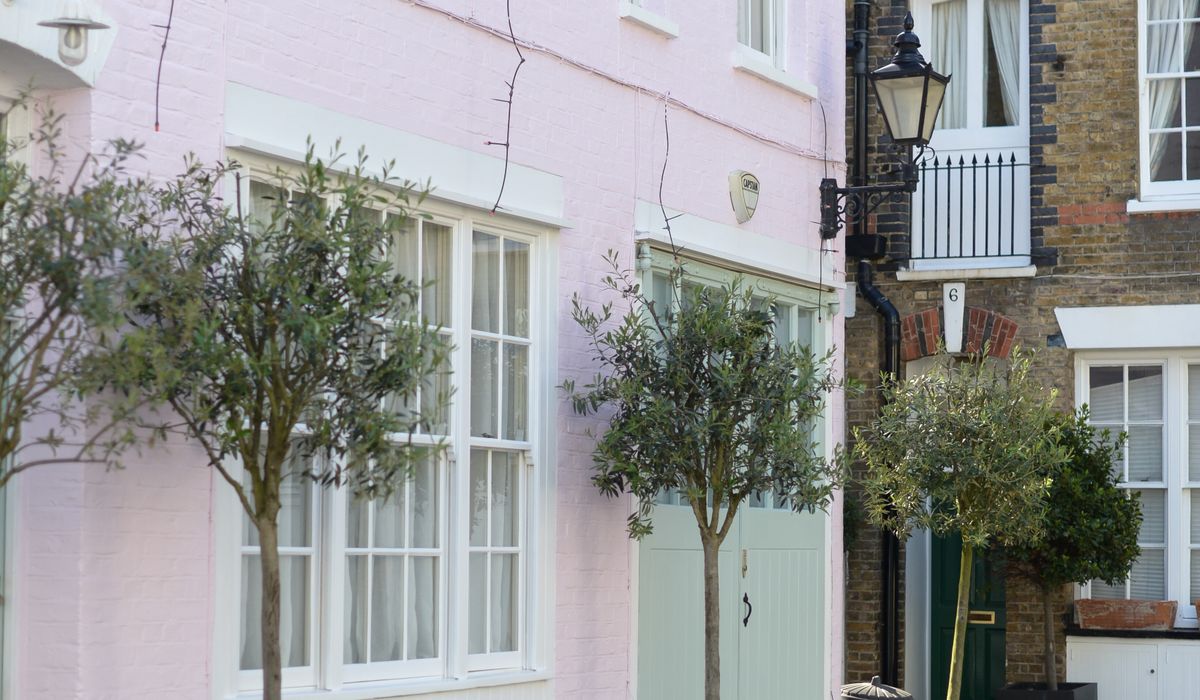
Why Mews Hallways Are a Special Case
Mews houses were built for horses and carriages, not for the piles of coats, shoes and post that modern life generates. The result is a hallway that is often long, narrow and beautifully characterful, but with barely enough room to turn around, let alone store anything. The trick is not to fight the proportions but to work with them. In a mews hallway, storage has to be shallow, tall and built in. Anything that juts out more than about 30 centimetres will make the space feel like a corridor on a submarine.
Get it right and a tight entrance becomes one of the most satisfying spaces in the house: a proper welcome, a place for everything, and no sense of squeezing past.
Start with a Measured Plan
Before you buy a single hook, measure properly. Note the width at the narrowest point, often where the front door swings, the height to any picture rail or cornice, and the depth of any alcoves or recesses. Mews properties frequently have oddities: a chimney breast, a step, a sloping ceiling under the stairs. These are opportunities, not obstacles.
- Mark the door swing on the floor with tape so you never block it.
- Record the depth from wall to the point where you would still feel comfortable walking past.
- Check whether skirting boards and dado rails can be removed or worked around.
- Look up: the space above head height is almost always wasted.
A sketch with dimensions will save you from an expensive mistake and make any joiner's job far easier.
Built-In Benches: Seating and Storage in One
A built-in bench is the single best investment in a narrow mews hall. It gives you somewhere to sit to remove wellies, hides a surprising amount of clutter, and creates a defined zone that stops the hallway feeling like a passage. Keep the depth between 35 and 45 centimetres so it is comfortable to sit on without eating into the walkway.
Lift the lid and you have space for:
- Shoes for the whole family, on a simple slatted base so air circulates.
- Dog leads, umbrellas and reusable shopping bags.
- Boot trays and folded raincoats in winter.
Finish it with a cushion in a hardwearing wool or linen, and add a row of hooks or a slim shelf above. If the bench sits in an alcove, extend it wall to wall. If it must stand proud, choose a floating design with a shadow gap beneath so the floor reads as continuous. That gap of 15 to 20 centimetres makes a huge difference to how open the hall feels.
Slim Console Tables and Wall-Mounted Alternatives
Where a bench is not practical, a slim console table earns its place. Look for a depth of 25 to 30 centimetres, ideally with a lower shelf for baskets. A semicircular or demilune table is a clever choice in a mews hall because it softens an awkward turn and leaves more floor free than a rectangular one.
If even that feels like too much, go wall-mounted. A floating shelf at 90 centimetres, a shallow drawer unit, or a pair of fold-down brackets for keys and post will do the job without any legs to trip over. Pair a console with a small tray for keys, a bowl for loose change and a single lamp or vase. Resist the urge to fill every surface. In a narrow space, empty space is a feature.
Use the Height: Overhead Cupboards and High Shelves
The biggest mistake in a mews hallway is stopping at eye level. Above the door, above the bench, above the console: all of it can carry storage. Bespoke overhead cupboards painted the same colour as the walls will almost disappear.
- Deep cupboards above the front door for seasonal items, suitcases and Christmas decorations.
- A high shelf running the length of the hall for hat boxes and rarely used pieces.
- Vertical pull-out racks inside a narrow cupboard for brooms, mops and ironing boards.
Keep everyday items between waist and shoulder height, and reserve the top third for things you need twice a year. A simple hook on the back of the front door for a dog lead, and a magnetic strip inside a cupboard door for keys, adds function at almost no cost.
Finishing Touches That Keep It Feeling Spacious
Storage is only half the story. How a narrow hall feels matters just as much as what it holds.
- Paint walls, ceiling, cupboards and skirting in the same soft shade — off-white, stone or a muted sage — to blur the edges.
- Use a runner rather than a full-width rug, laid lengthways to draw the eye through.
- Light in layers: a pendant or two, a picture light over artwork, and a warm lamp on the console.
- Hang a large mirror opposite the front door to bounce light and double the sense of depth.
- Choose handles and hooks in a single finish, and keep them small.
Finally, be ruthless about what lives in the hall. A mews entrance works best when it holds the things you use every single day — coats, shoes, keys, the dog lead — and nothing else. Everything else belongs upstairs, in a cupboard, or out of the house entirely. Do that, and even the narrowest mews hallway will feel calm, generous and genuinely welcoming.


Parsley, thyme, and chives grow well in pots or narrow borders, giving home cooks fresh flavour just steps from the kitchen door.
Sanding and sealing old pine boards reveals beautiful grain and patina, though repairs may be needed where furniture or damp has caused lasting damage.
A fresh coat of chalk paint and new handles can revive a tired dresser or chair, creating one-off pieces that suit traditional cottage rooms.
Regular sorting, hidden storage, and a strict one-in-one-out rule help keep compact rooms calm and free from the clutter that gathers quickly.